About Snow
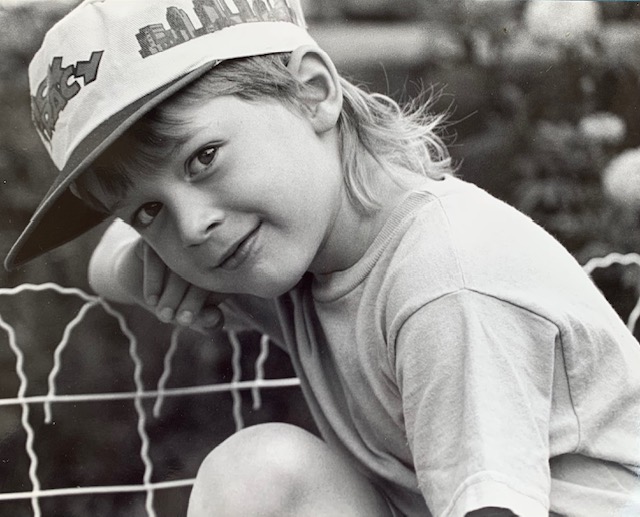
When my son was little, he once asked, “Mom, what do you think is the most interesting thing about you?”
Great question, I thought, but I had no idea how to answer. Then it came to me.
“My name, Snow.”
It opens a world of conversation.
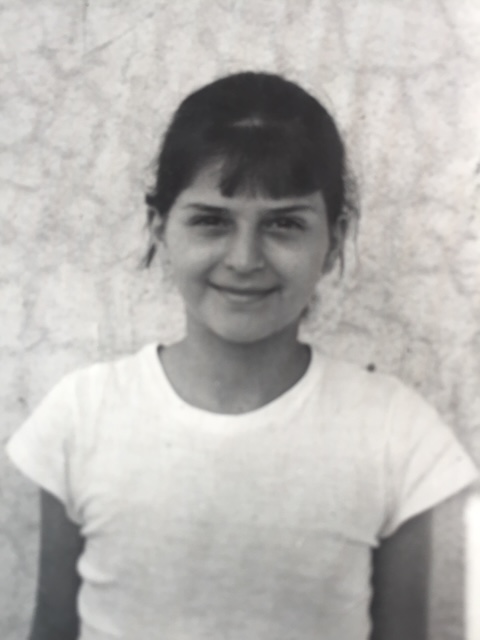
I was born in Yugoslavia, a country that no longer exists. After growing up in Belgrade, Serbia under a socialist regime my parents and I immigrated to Chicago, where my grandfather had settled after fighting in World War II and escaping the communists.
I was in the middle of fifth grade; spoke no English and had a name nobody could pronounce: Snežana. (I won’t even bother with the last name!)
I had no siblings to share the growing pains of assimilating to a new culture. My father was busy working; my mother was busy being depressed. I eventually mastered English, made friends and translated my name; Snežana, a common name in the former Yugoslavia, is what we called Snow White.
I went on to study journalism at Northwestern University, hosted a weekly TV show in Chicago in Serbian, called “Bit of Yugoslavia,” then worked as a TV reporter and anchor in several markets before leaving the business to be a full-time mother and homemaker.
After our son was born, I changed my name legally to Snow and took my husband’s surname. We moved to a community outside Santa Fe, New Mexico where my soul “came home.”
The high desert country was magical. I was blessed for a few years with time and money to raise my son, explore my interests, including writing, photography, cooking, yoga, and horseback riding. But then it all came crashing down.
Divorce, therapy, struggles, both emotional and financial, followed the “magical” time. I was thirty-six years old, a single divorced mom, starting life over without a blueprint. The only “blueprint” I had was my profound desire to heal myself so I would not pass onto my son the unresolved pain, anger and unconscious rage stemming from my family of origin that had crept its way into my marriage.
I started therapy, wrote and published essays and earned a master’s degree in applied psychology from the University of Santa Monica. For ten years, I was a registered mental health counselor in New Mexico, and hosted a radio talk show in Los Alamos, focusing on healing, psychology and spirituality.
I remain passionate about exploring the endless “worlds within” of my psyche, because my psyche is not unique. We all have different stories and life experiences, but we all feel the same feelings. This is what makes spiritual counseling so effective; it taps into the collective unconscious that the Swiss pioneer psychologist Carl Jung coined.
Early in my journey, my therapist said, “Snow, this work you’re doing on yourself is the greatest gift you can give your son.”
It was. And still is.
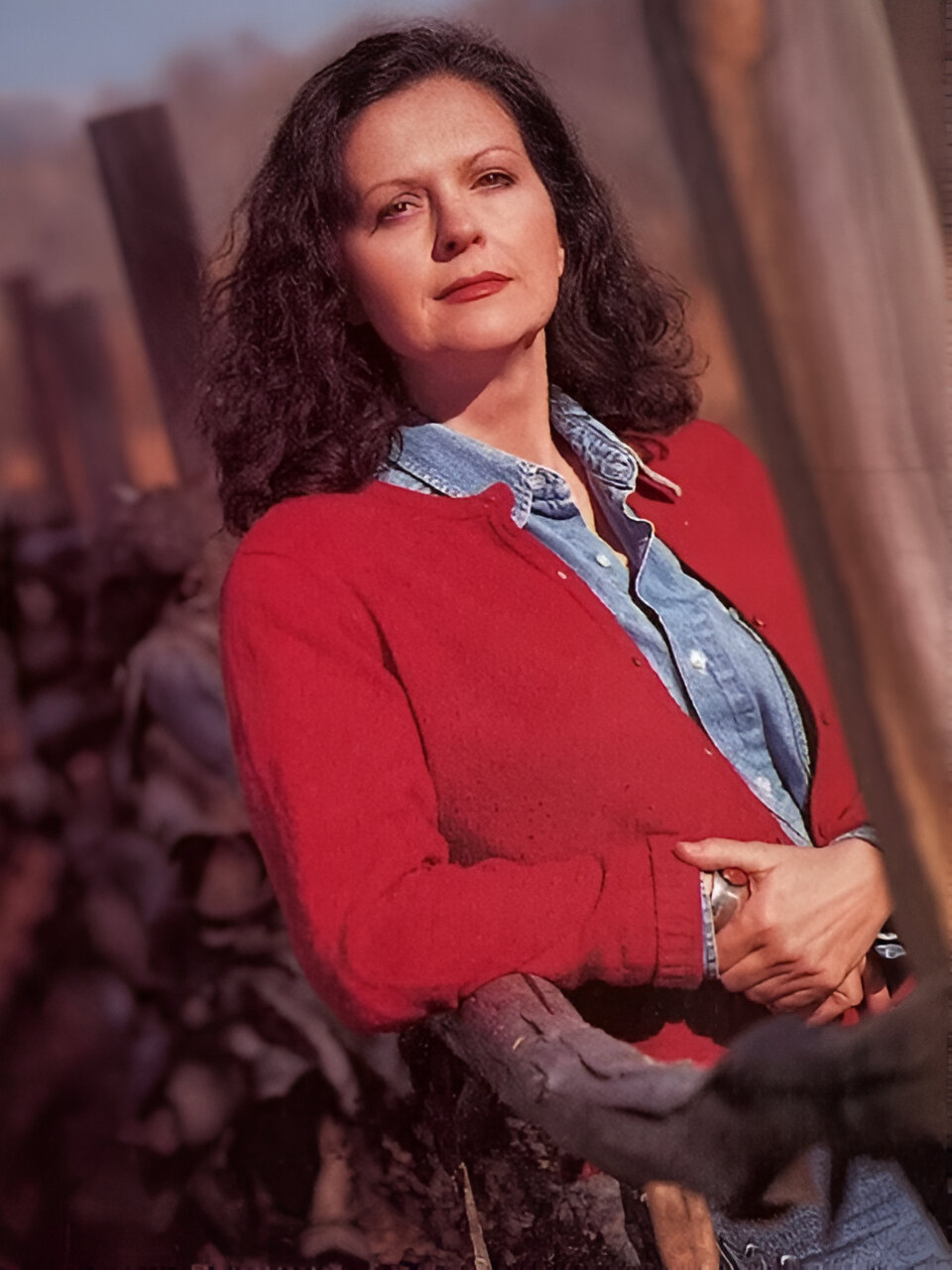
Essay Published in Newsweek By Snow Anderson
I’m Not Borrowing History Anymore
Newsweek U.S. Edition
By Snow Anderson | Feb 28, 2000
I just can’t get enough of her,” I told a friend over dinner recently, describing the writer, Bailey White. In addition to reading her essays, I had been listening to them on tape while driving.
White is a Southern writer who’s lived her entire life in one place. She writes about eccentric relatives, quirky neighbors and places she has known since she was a child.
“Borrowed history,” my friend suggested, and I, to my surprise, burst into tears. Borrowing history. It’s what I’ve been doing since my parents immigrated to the United States just three weeks before my 11th birthday. It is as if during that transcontinental flight from Belgrade, Yugoslavia, to Chicago, Ill., my history was erased.
I left behind my eccentric neighbors “Crazy Drina,” with her many cats, and her one-legged mother who scared us children with nothing more than her appearance. Gone were my friends, the books from which I learned the Cyrillic alphabet, my uncle who taught me how to tell time and my aunt who sewed clothes for me and my dolls.
I would no longer spend summers in my grandmother’s village, where day and night blended into one and meals consisted of what we picked from her orchard. My colorful childhood ceased to exist. Everything in Chicago felt as gray as the color of the fire escape on the apartment building that had become my home. The contrast made me yearn for every familiar street corner on the way from my house to the school in Belgrade, the aroma from the neighborhood bakery, the sound of my aunt’s sewing machine, the grain bin and the oil lamp in my grandmother’s old house. These images embedded themselves so deeply in my cellular memory that three decades later I still feel a sense of loss.
I love this country with an immigrant’s passion, but like everyone who has become an American citizen, I also live with a part of me missing. I search flea markets and antiques stores for objects that other families might have passed down to each other. I display an old, faded quilt my son’s great-grandmother made in Kentucky as if it were a priceless treasure. “Mammama,” as her family called her, recently passed away at the age of 104. Her grandson and I are divorced, but his Southern roots helped to give me more of a sense of belonging.
I never quite adapted to life in America until 11 years ago when I moved to New Mexico, a simple, rustic place with breathtaking beauty, not unlike my homeland. Here, in an old adobe house with a wood floor in my bedroom, stained pine laid simply over dirt, I feel at home. It’s not the packed-dirt floor of my grandmother’s house, but in its imperfection it comes close. My house does have electricity and running water, of course, but it also once had a well like my grandmother’s from which I drew water as a child.
The house was last occupied by a much-loved schoolteacher. When the son of the local gas-station owner delivered my car one day, he asked if I saw a lot of butterflies on this property. Puzzled, I answered, “Yes, why do you ask?”
“Well, you know, the woman who used to live here was such a sweet old lady. They say butterflies come around to people like that.”
My landlady, the old woman’s daughter, seems to understand my need for history. She’s given me some things that once belonged to her mother. The granddaughter, who lives in Colorado and visits often, has become a friend. When we sit in this house where she played as a child or go for walks on land she knows so intimately, I vicariously gain some more history.
My father doesn’t understand my passion for old things. He’s always been eager to shed his past. His childhood memories are not as idyllic as mine. He was 11 when World War II made him head of the household. His home in Chicago, with its parquet floors, crystal chandeliers, hot tub and fireplaces, is a monument to the American Dream. He has had to work very hard for his success, but he has also lived a life unencumbered by the economic and spiritual constraints of communism. In his heart he may sometimes wonder if he made the right choice coming to America, but to me he is a hero for making that choice and giving me the life I have today.
It has not been an easy thing, this business of becoming American. But there are times, like when I walk my dog in the country outside Santa Fe, when the sights and sounds of horses, roosters and donkeys so strongly evoke my childhood that I feel a deep sense of belonging. I’ve come to realize that by planting my roots here so firmly, I am no longer borrowing history. I am living and even creating it. Perhaps someday, someone will ask the person who lives in this house after me, “Do you see a lot of butterflies on this property?”
(Anderson lives in Santa Fe, N.M.)
Reconnect. Realign. Renew.
Spiritual counseling offers more than just emotional support—it provides a deeper path to self-understanding and inner peace. By tuning into your inner wisdom and exploring life’s challenges through a spiritual lens, you gain clarity on what truly matters. Whether you’re navigating grief, feeling spiritually lost, or simply seeking meaning, spiritual counseling helps bring calm to the chaos and light to the confusion.
Unlike traditional therapy, spiritual counseling integrates the soul’s journey with practical healing tools. This holistic approach empowers you to release limiting beliefs, reconnect with your purpose, and embrace personal transformation. It’s not about fixing who you are—it’s about remembering who you’ve always been.